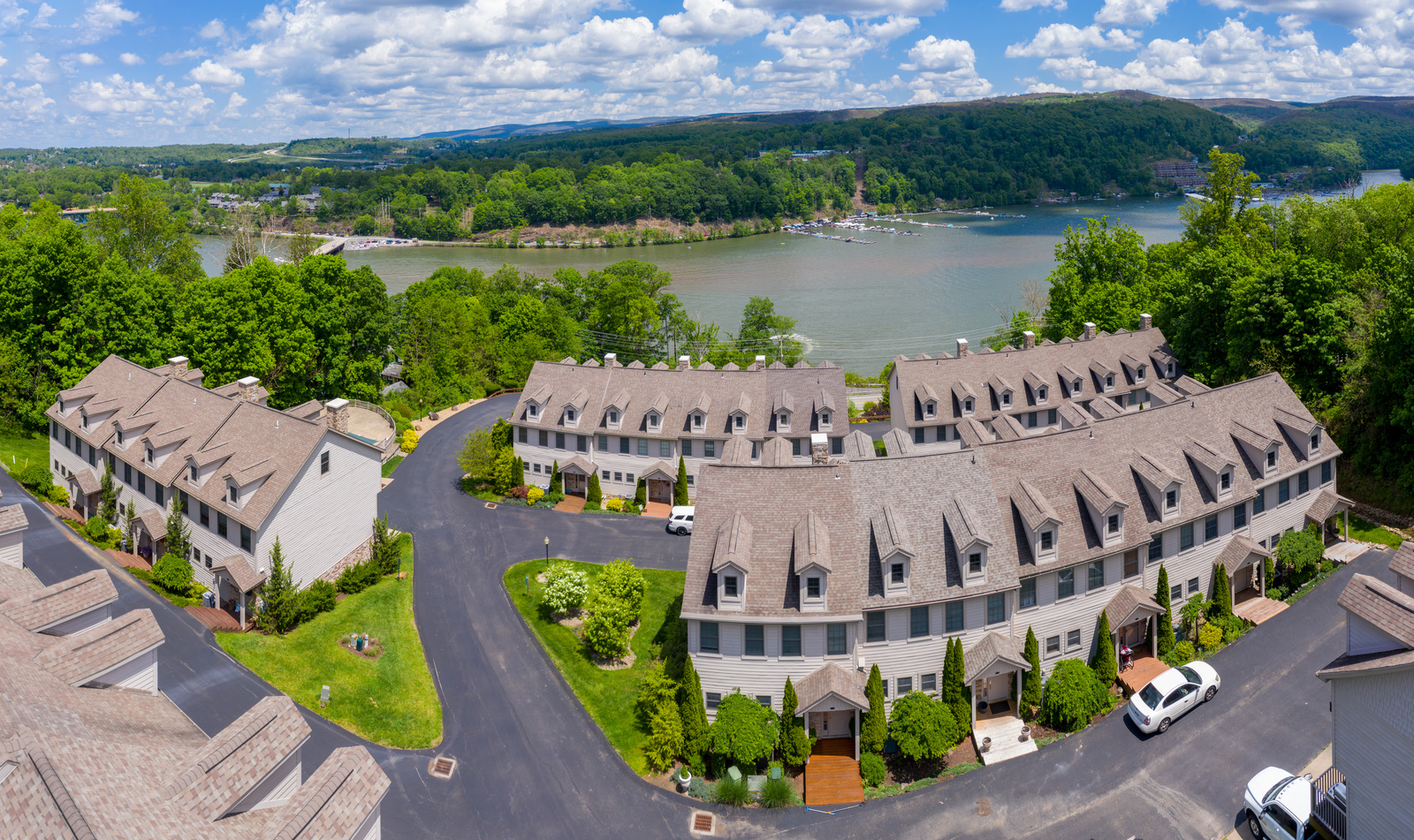
Are you ready to start building your dream home in stunningly beautiful Virginia? If the answer is yes, you’ve come to the right place. This comprehensive guide will provide clear, step-by-step instructions so that you can understand every aspect of creating your dream dwelling, from beginning to end. With all the gorgeous scenery, specialty shops, winning restaurants, and luxurious spas, Virginia offers the perfect backdrop for an unforgettable home.
Let’s dive right into our step-by-step guide to building your dream home!
Quick Overview of Key Points
The first step for building a house in Virginia is to acquire the necessary permits and licenses. Secondly, you need to hire appropriate professionals who can help you with the design and construction of your dream home.
Planning Your Dream Home in Virginia
Planning your dream home in Virginia is a pivotal step to ensuring that everything goes smoothly during the build process. There are numerous things to consider when it comes to planning – from designs, to amenities, to budgeting. It may be beneficial to create a list of all the features you would like to see in your ideal home and narrow that list down once your budget or location limits you. Discussing what’s important to you with your architect or designer can help you understand what’s possible within a certain budget and location.
The major choices that must be made when planning your dream home in Virginia include deciding the size of the structure and number of bedrooms, the total square footage that would be needed, as well as reviewing special construction requests such as curved walls or angled ceilings if applicable. Depending on your desired design, you must also decide on building materials such as insulated siding or stonework outside and hardwood floors inside. Additionally, thought must be put into whether or not you want an attached garage, access for HVAC systems, and/or skylights for natural lighting.
Research conducted by The National Association of Home Builders provides evidence showing that homeowners should take their time when deciding on specific plans- especially when determining upgrades such as granite countertops – because there can be higher costs associated with making changes after construction has begun. So while not every decision needs to be finalized before beginning the build process, it is important to know exactly what aspects of your dream home need further consideration in order to ensure this process flows smoothly.
Once these plans have been thoroughly documented and discussed with design professionals, you can begin considering where this dream house will actually be erected – which is our next step in this journey towards completing your perfect abode in Virginia.
- According to HomeAdvisor, the average cost of building a single-family home in Virginia ranges from $164,800 to $314,400.
- Data from BuildZoom suggests that the median cost per square foot for building a house in Virginia is between $100 and $150.
- In 2017, the average new construction home cost approximately $369,741 in Virginia according to Zillow data.
Most Important Points
Planning a dream home in Virginia requires thoughtful consideration of many details, including size and construction materials. It is important to discuss this with a design professional who can help identify changes that may affect the budget and timeline. Judgment should be exercised when making upgrades such as granite countertops and some decisions must wait until construction process has begun. Once these plans are documented, the next step is determining where to build the dream house.
Choosing the Right Site
Once you are ready to begin building, the next step is to decide on a site for your dream home. Although it can be exciting to finally find the perfect area to build, it is important to make sure that the site you choose fits all of your needs and wants and is well within your budget.
One important consideration when choosing a site for your dream home is location. Many people want to have their dream house near popular amenities such as shopping malls, movie theaters, restaurants, parks, etc. However, depending on how busy or crowded the area may be, it might not be ideal for some who wish to live in a more secluded environment. Consider what type of environment best suits your lifestyle when deciding on a location.
Additionally, it is important to factor in the size of the lot and other possible restrictions from local zoning regulations. This includes matters such as specific building materials or designs that might affect the cost and style of your home. Researching any local guidelines concerning these restrictions can help ensure that you stay within budget and are able to build the exact home you desire.
Choosing the right site is a crucial step in creating your dream home in Virginia. Your chosen location will be custom-tailored to everything from daily entertainment options to future cost considerations – so make sure that all of these factors fit seamlessly with your goals before committing to a particular site for your project. With careful planning and consideration, you can easily find the right route and ensure that you create the perfect home within budget and on time.
Now that you have done the necessary research and chosen an appropriate lot for your dream home in Virginia, it is time to focus on designing and constructing this desired structure. It is important that you plan ahead with budget considerations and detailed designs so that when construction begins there are no unnecessary delays or costs.
Designing and Building Your House
Once the site has been selected for your dream home in Virginia, it’s time to start designing and building. First, you will need to decide what kind of look you want for your house. Will it have more of a traditional style or be more modern? What colors do you want to use in decorating and what materials do you want for the outside elements of your house?
You can hire an architect to assist with drawing up plans for your house, outlining the dimensions, features such as a fireplace, and specifying the materials that will be used. You could also work with a designer who can help you create a personal and unique look for your house.
When it comes to actually building the home, there are plenty of options available. You may choose to build the home yourself if you possess the necessary skillset. If not, most cities within Virginia have builders specializing in different types of homes that can handle any desired design. However, with each builder comes their own set of costs and warranties that must be taken into consideration when making this decision.
No matter the type of builder selected or how involved you wish to be in the building process, make sure adhere to all local laws and requirements prior to embarking on this project. Permits will need to be obtained from the local building authority and it is beneficial to involve them early on in the process before committing too deeply.
Now that you have an understanding of how to design and build your new home in Virginia, we can move onto exploring different types of home builds available in greater detail.
Different Types of Home Builds
Designing and constructing your dream home in Virginia is an exciting but complex undertaking. Now that you have a plan in place, your next step is to determine the type of home build you want to pursue. Many factors should be considered when making this decision including the size and layout of the house, land features, and your budget.
The two most common types of home builds are custom builds and pre-designed plans. Custom builds offer more flexibility since they can be tailored according to individual specifications and preferences. They are also often more expensive than pre-designed plans due to the extra labour involved. Pre-designed plans offer less customization options but are usually easier on the budget as developers typically offer discounts and incentives. Additionally, with pre-designed plans, construction times can be significantly shortened which is an attractive option for homeowners who are keen on skipping the long wait period associated with traditional construction.
Which option will suit you best? Consult with a team of experts to weigh up all potential options before finalizing your decision. Once you’ve settled on an approach, it’s time to move onto the next step: obtaining building permits and understanding all applicable regulations. Many local requirements must be observed when building a house in Virginia so it is important to ensure that all relevant paperwork is correctly filled out and submitted on time.
Obtaining Building Permits and Regulations
Now that you have chosen the home build that best suits your needs, it is important to obtain the necessary building permits and regulations. Your local government dictates the type of permits and requirements each homeowner must adhere to in order for construction to begin. For instance, there are zoning laws which dictate where a new structure can be built. It is important to familiarize yourself with state and local laws in advance; this can save everyone time and resources. Depending on the size or complexity of your project, additional permits and inspections may be required. This will ensure that your construction complies with safety standards.
Furthermore, if you are building a custom home it is important to understand the process of obtaining permits and understanding deadlines. Building codes regulate the design, quality, materials used for construction, and safety features. Even though going through all these steps might sound tedious, they are necessary in ensuring that your dream home meets safety standards as well as being up to code.
On the other hand, hiring a professional contractor can potentially help streamline the permitting process while upholding regulations and encouraging timely inspections. Licensed contractors understand many of these rules inside and out so they can take care of much of the paperwork for you. Communication is key to any type of hire; ensuring expectations between both parties is essential to keep things running smoothly and quickly throughout the duration of the project.
Having adequate knowledge about building permits in which comply with Virginia regulations is essential when designing and constructing your dream home. All state-specific requirements must be satisfied before any actual construction can commence. With proper planning and research, understanding all these details will make getting started easier as well as ensure everybody’s peace of mind as you begin bringing your dream into reality. As financing is a critical component in making this happen, we will look at some potential options for financing your building project next.
Financing Your Home Building Project
Financing a home building project can be both a difficult and rewarding endeavor, requiring careful planning and budgeting to ensure everything runs smoothly. There are a variety of ways to finance a project, including loans from banks or private lenders, self-financing, and crowdfunding.
Taking out a loan through banks or private lenders is often the most commonly chosen method for financing a project. This offers potential borrowers access to more capital with more repayment flexibility than simply using their own personal savings. As with any loan, the borrower should research the different rates and terms offered to find the best fit for their needs. It is important to remember that such loans will typically require additional documentation related to the building permits and regulations as discussed in the previous section.
Self-financing is another option some opt for when building their dream home in Virginia. This method requires more personal investments in order to take on the costs associated with construction fees and materials. While it may come with fewer financial risks, this is not always financially feasible for everyone due to income concerns. However, if you can make it work, self-financing could lead to greater control over your dream home’s design and implementation.
Finally, there is also the option of crowdfunding, which has become increasingly popular in recent years as a way to raise money for various projects. Generally speaking, this strategy involves asking friends or family for monetary contributions towards your home building project through online platforms such as GoFundMe or Kickstarter. In exchange for contributions, you can offer promotional items related to your project such as t-shirts or mugs with your project logo on them. This method helps build awareness and promote your cause while also funding your dream home in Virginia.
No matter which path you choose, proper financial management is essential when embarking on any home-building endeavor. Ultimately, finding the perfect balance of affordability and quality will be key to starting your journey off on the right foot. Now that finances have been addressed, it’s time to move onto finding the right contractors and builders that can bring your plans to life during the actual construction phase of your dream home project.
Working with Contractors and Builders
When you are ready to begin building your dream home in Virginia, one of the most important decisions you will make is who to hire as your contractor and builder. Selecting the right team can have a large impact on how your project looks and functions years down the line. It is wise to research and thoroughly interview potential candidates for both positions. Ask for detailed references and do additional research on any contractors or builders you find promising.
It is important to remember that in many cases you get what you pay for when it comes to contracting services. While low bids may initially appear attractive, they often come with a host of issues ranging from inadequate materials to a lack of supervision or oversight over the project. Conversely, it is possible to find experienced contractors and builders who charge reasonable prices that still provide excellent quality work. Balancing cost with the assurance of quality craftsmanship is key.
When making a final selection, review contracts and bid proposals carefully and check for any hidden fees that may have been glossed over during negotiations. That way, there aren’t any surprises once construction begins. Finally, prioritize good communication skills when choosing contractors and builders; it is essential that all parties remain informed throughout the duration of the project.
Once you have chosen a reliable contractor-builder pair who understands your vision for your dream home building project in Virginia, you’re ready for the next step: finding quality materials and services. Taking the time to seek out high-quality components for your build not only enhances its look and value but also ensures its longevity in the years to come.
Finding Quality Materials and Services
Now that you know your way around the process and have found a reliable contractor and builder, it’s time to source quality materials for the construction of your dream house in Virginia. Establishing relationships with trustworthy suppliers of lumber, roofing, electrical, plumbing, masonry and other parts of the build is key in this step. It is possible to seek out discounted or inexpensive materials at hardware stores while still getting decent quality — but it will take some work to be sure you are making informed decisions.
On the other hand, you can opt for higher quality materials from renowned suppliers; however, it is more expensive and could blow up your budget if you aren’t careful. However, these will preserve their structural integrity longer as long as proper installation and maintenance techniques are employed. If you are unsure which route to take, when in doubt always err on the side of using better quality materials over lower price points.
When looking for services such as landscaping, confirm their qualifications and experience before committing. Also do not forget to check customer reviews that could give you an indication of their professionalism and performance – even if it does cost more up front. Once all the pieces are in place, pull together estimates and line items so that you have accurate records. That leads into our next section where we will discuss final thoughts related to building your home in Virginia.
Final Thoughts on Building Your Dream House in Virginia
Once you have your financial flexibility and materials secured, then it is time to start construction on your dream home. It can feel exciting yet daunting all at the same time. While there is definitely a lot that goes into building a house, if done properly, it can be enjoyable and fulfilling.
One of the main points to consider when building a dream home is whether or not to hire an experienced contractor. On one hand, this could help to ensure that the work is done correctly and up to code. It may even help save you money in the long run by mitigating costly repairs down the road due to improper builds. Additionally, experienced contractors are more likely to know cost-saving tricks or strategies compared to someone who is just starting out in the field.
On the other hand, DIY projects and general contractors can be very rewarding experiences as well. Many people prefer to take on the task themselves in order to gain an understanding of what they are doing in terms of construction and design decisions. This helps build confidence in their abilities and gives them ownership over each step of the process. For those who do decide to opt for a general contractor, it is still important to stay actively involved in each step of the process especially when it comes to budgeting and materials selection.
No matter which route you decide on for constructing your dream home, taking on such an enormous task requires careful planning and consideration ahead of time. From selecting quality materials and services that fit within your budget to finding experienced professionals if needed, these steps are essential for putting your best foot forward when building your dream house in Virginia.
Responses to Frequently Asked Questions
What type of permits do I need to build a house in Virginia?
Building a home in Virginia requires a number of permits and inspections prior to construction. Generally speaking, most jurisdictions will require a building permit, zoning permit, excavation or grading permit, plumbing or sewer permit, mechanical permit, electrical permit, and fire protection system permit. In addition to permits for the home itself, local ordinances may require related permits such as fences, stormwater management systems, and utility connections.
The building permit will typically be the most substantial and detailed process, as it combines all of the elements required into a single document. This paperwork needs to provide evidence that your proposed build site meets all local regulations regarding land use (zoning) and environmental conditions. It is also important to note that there are different types of permits for different types of projects; for example, if you are adding to or remodeling an existing structure instead of starting from scratch, you need to obtain a remodel or renovation permit instead.
Finally, some areas may require additional permits to meet special county-level land-use codes or protected natural resource areas. A qualified contractor should be able to advise you on any specialized requirements for your location and project.
What building codes and regulations should I be aware of when constructing a house in Virginia?
When constructing a house in Virginia, it is important to be aware of the building codes and regulations set forth by the statewide Commonwealth of Virginia Building Code (CoVBC). These regulations provide guidelines for designing and constructing structures that are safe and efficient in terms of energy use, materials, environmental impact, public health and safety, and more.
One key consideration for builders in Virginia is the “R-Value” rating system. R-Values measure insulation levels throughout a home’s ceiling, walls, floors, windows, and doors. For example, Wall RS-19 requires an R-Value of at least 19 for all exterior walls of dwellings attached to a continuously insulated below-grade foundation.
In addition to wall insulation ratings, many local governments in Virginia have also adopted jurisdictions code requirements related to noise control as well as the installation of HVAC systems. Other energy efficiency considerations include mandatory installation of EnergyStar rated appliances as well as low water consumption fixtures like toilets and shower heads.
There are also regulations that must be followed involving structural components like foundations and roofs as well as fire prevention measures such as smoke detectors. It is important to be aware of these regulations when constructing a house in Virginia so that your project is compliant with current standards and safe for future inhabitants.
Are there any special considerations I should take into account when constructing a house in Virginia?
Yes, there are several special considerations you should take into account when building a house in Virginia.
One important factor to consider is the state’s climate and weather patterns. Building a home in Virginia can be especially challenging in certain seasons due to storms, high winds, humidity, and hot summers. It’s important to use quality materials that can withstand these conditions and keep your family safe.
Additionally, the soil in Virginia is often prone to shifting or settling over time due to changes in water levels or seismic activities. As such, it’s important for the foundation of your home to be able to handle these shifts without major damage or structural issues arising.
Finally, local building codes vary from region to region throughout the state so it’s important to investigate what codes and regulations apply specifically to where you’ll be constructing your dream home. This includes looking into fire safety standards as well as moisture control measures if flooding is common in your area.
By taking all of these factors into consideration prior to starting construction on your house in Virginia, you can ensure that your dream home is built to last for many years to come.