
Imagine living in a home that generates as much energy as it consumes, resulting in negligible utility bills. Welcome to the world of Zero-Energy Homes—a future-forward trend quickly growing into a sustainable living reality. This blog will guide you on your path to achieving net-zero energy consumption, covering everything from initial concepts to practical applications. Buckle up as we dive into a universe where renewable resources meet innovative designs and efficient appliances, potentially transforming your house into an energy-saving hub.
Achieving net-zero energy consumption in a zero-energy home requires a combination of advanced design principles, superior building systems, energy efficiency measures, and on-site renewable energy generation. This includes features such as air-tightness, effective insulation, highly efficient appliances, and the installation of solar panels or other renewable energy sources. Additionally, prioritizing passive design strategies like better windows, insulation, and efficient equipment can significantly reduce energy needs before relying on renewable energy sources.
Understanding Zero-Energy Homes
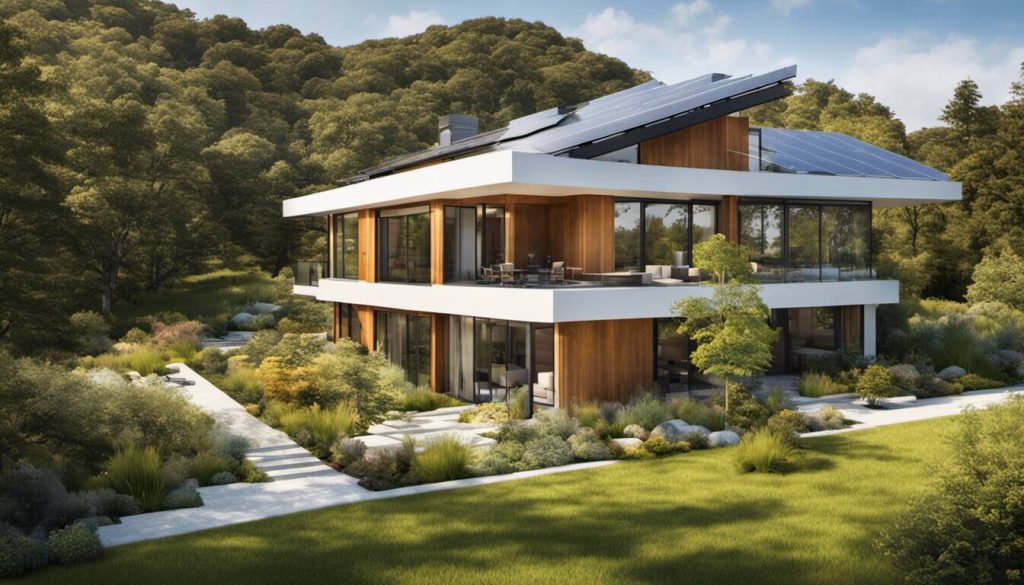
Zero-energy homes, also known as net-zero homes, are an innovative approach to sustainable living that aim to achieve a balance between energy consumption and renewable energy generation. In simple terms, these homes produce as much energy as they consume over the course of a year. The concept of zero-energy homes revolves around optimizing energy efficiency through advanced building techniques and harnessing renewable energy sources such as solar power.
To understand the concept better, let’s consider an example. Imagine a home that is designed with highly efficient insulation, windows, and appliances. This home would minimize heat loss in winter and reduce heat gain in summer, resulting in reduced reliance on heating and cooling systems. Additionally, it would utilize natural light to its fullest potential, minimizing the need for artificial lighting during the day. By incorporating renewable energy technologies such as solar panels or geothermal systems, this home can generate enough clean energy to offset its annual consumption, achieving net-zero status.
Achieving zero-energy status requires careful consideration of various factors. Energy-efficient design elements include effective insulation, high-performance windows, and efficient HVAC systems. Proper orientation of the house and strategic placement of windows allow for maximum natural light and minimize unnecessary heat gain or heat loss. Additionally, the use of energy-saving appliances and smart home technologies can further optimize energy consumption.
The integration of renewable energy sources plays a critical role in zero-energy homes. Solar panels are commonly used to generate electricity from sunlight, which powers the home’s electrical needs. Excess power generated during peak sunny hours can be stored in batteries for future use or fed back into the grid. Other renewable technologies such as wind turbines or geothermal systems may also be employed depending on the region’s climatic conditions and available resources.
Now that we have gained an understanding of zero-energy homes, let’s explore some essential aspects involved in achieving these sustainable dwellings.
Essential Aspects of Zero-Energy Homes
Creating a zero-energy home requires a holistic approach that encompasses various elements. Here are some essential aspects involved in achieving zero-energy status:
- Energy-efficient building envelope: The building envelope includes the walls, roof, and foundation of the home. High-quality insulation, air sealing, and efficient windows play a vital role in reducing unwanted heat transfer and ensuring optimal energy efficiency.
- Efficient HVAC systems: Heating, ventilation, and cooling systems should be carefully selected to maximize energy efficiency. Advanced technologies like geothermal heat pumps or mini-split systems can significantly reduce energy consumption compared to traditional HVAC units.
- Renewable energy generation: Incorporating renewable energy systems such as solar panels allows homeowners to generate clean electricity on-site. These systems convert sunlight into usable energy, which can power appliances, lighting, and other electrical needs within the home.
- Energy monitoring and management: Installing smart meters and energy monitoring devices enables homeowners to track their energy usage in real-time. This information helps identify areas of improvement and promotes conscious energy consumption habits.
- Energy-efficient appliances and lighting: Choosing ENERGY STAR certified appliances and LED lighting fixtures further enhances the energy efficiency of a zero-energy home. These appliances consume less electricity without sacrificing performance.
- Water conservation techniques: Implementing water-saving fixtures like low-flow faucets and toilets not only reduces water consumption but also lowers the overall energy required for water treatment and distribution.
By integrating these essential aspects, homeowners can create a truly sustainable living environment that minimizes their ecological footprint while maximizing comfort and cost savings.
Advanced Building Techniques & Design
Achieving net-zero energy consumption in homes requires a holistic approach that goes beyond simply minimizing energy usage. It involves implementing advanced building techniques and design strategies that maximize energy efficiency and capitalize on renewable energy sources. Let’s delve into the key elements of advanced building techniques and design that contribute to creating zero-energy homes.
Efficient Insulation: Properly insulating a home is crucial in reducing heat transfer between the interior and exterior spaces. High-quality insulation, such as spray foam or cellulose insulation, helps maintain a consistent indoor temperature and minimizes the need for excessive heating or cooling.
For instance, using superior insulation materials can significantly reduce the amount of energy needed to regulate indoor temperatures during extreme weather conditions. This reduces the load on HVAC systems and ultimately leads to lower energy consumption.
Strategic Window Placement: Windows play a vital role in harnessing natural light, ventilation, and solar heat gain. In net-zero homes, windows are strategically positioned to optimize daylighting and passive solar heating while minimizing unwanted heat gain or loss.
For example, large south-facing windows can capture ample sunlight during the winter months, reducing the need for artificial lighting and heating. Conversely, shading devices or smaller windows on the west and east sides of the home help prevent excessive heat gain during summer months.
Energy-Efficient Appliances: Integrating energy-efficient appliances is essential for minimizing overall electricity usage in net-zero homes. These appliances are designed to consume less power while providing similar or better performance compared to their conventional counterparts.
Examples include ENERGY STAR rated refrigerators, dishwashers, washing machines, and HVAC systems. Energy-efficient appliances not only reduce electricity bills but also contribute to the overall sustainability of the home by curbing unnecessary energy consumption.
Renewable Energy Integration: To achieve net-zero energy consumption, it is necessary to generate renewable energy onsite. Solar panels are a popular choice for generating clean electricity from the sun. By harnessing solar power, homeowners can offset their energy usage and even send excess electricity back to the grid.
In addition to solar, other renewable energy technologies like wind turbines or geothermal systems can be incorporated into the design of zero-energy homes. The integration of these systems requires careful planning and consideration of individual site conditions and available natural resources.
Now that we have explored advanced building techniques and design strategies, let’s shift our focus to another crucial aspect of creating net-zero energy homes: energy-efficient appliances and lighting.
- According to the U.S. Department of Energy, Zero Energy Ready Homes can reduce energy consumption by up to 50% compared to traditional homes.
- A study conducted by Pacific Northwest National Laboratory found that the average Zero Energy Home produces as much renewable energy as it consumes over a year, which technically brings its annual net energy consumption down to zero.
- The New Buildings Institute estimates that there are over 22,000 Zero Energy (ZE) homes in the US and Canada combined and that number is predicted to grow, with California setting a goal for all new residential construction to be ZE by 2020.
Energy-Efficient Appliances & Lighting
One of the key components in achieving net-zero energy consumption is choosing energy-efficient appliances and implementing smart lighting solutions. These two areas contribute significantly to reducing overall electricity usage and making homes more sustainable.
Efficient Appliances: Selecting household appliances with high energy efficiency ratings is an excellent starting point in reducing your carbon footprint. ENERGY STAR labels are a reliable indicator for identifying appliances that meet stringent efficiency criteria.
For instance, investing in an ENERGY STAR-rated refrigerator can save up to 15% more energy than conventional models. Similarly, choosing an energy-efficient dishwasher or washing machine can result in substantial water and energy savings over time.
LED Lighting: When it comes to lighting, traditional incandescent bulbs are notorious for their inefficiency. LED (Light Emitting Diode) lighting offers a much more energy-efficient alternative without compromising on brightness or quality of light.
Unlike incandescent bulbs, LED lights convert a greater portion of electrical energy into light rather than heat. This not only makes them more efficient but also ensures they last longer, resulting in cost savings on both electricity bills and replacement bulbs.
Smart Lighting Controls: Implementing smart lighting controls further enhances energy efficiency by enabling precise control over the intensity and timing of lights. Features such as dimmers, timers, occupancy sensors, and smartphone apps allow homeowners to customize their lighting usage according to their needs.
For example, setting timers or occupancy sensors in rooms where lights are frequently left on can easily reduce unnecessary energy consumption. Dimmers provide flexibility in adjusting light levels to match the desired ambiance, further optimizing energy usage.
By embracing advanced building techniques and design strategies, along with integrating energy-efficient appliances and lighting solutions, homeowners can take significant steps towards achieving net-zero energy consumption in their homes.
Step-by-Step Construction of a Net-Zero Home
Building a net-zero home requires careful planning and meticulous attention to detail. This step-by-step guide will outline the essential aspects to consider when constructing a net-zero home.
First and foremost, it’s crucial to prioritize energy efficiency through proper insulation and air sealing. Insulation helps keep the home well-insulated, preventing heat loss during winter and minimizing heat gain in summer. By using high-quality insulation materials such as spray foam or cellulose insulation, you can create a comfortable indoor environment while reducing the need for excessive heating or cooling.
Next, selecting energy-efficient windows is essential to minimize heat transfer between the interior and exterior of the home. Installing double or triple-pane windows with low-emissivity coatings can significantly reduce heat loss in colder climates and prevent excessive solar heat gain in warmer regions.
To further enhance energy efficiency, energy-efficient appliances should be chosen for everyday use in the home. Opting for appliances with high Energy Star ratings ensures that they consume less energy without compromising functionality.
Integrating renewable energy systems is another key component of constructing a net-zero home. Solar panels are a popular choice, as they harness sunlight and convert it into electricity to power various appliances and systems within the house. Geothermal heating and cooling systems can also be installed to utilize the earth’s natural temperature to regulate indoor climate control.
Smart home technology plays an invaluable role in monitoring and controlling energy consumption. With programmable thermostats, homeowners can easily manage temperature settings based on occupancy or time of day, optimizing energy usage without sacrificing comfort.
It’s important not to overlook proper ventilation in a net-zero home. Energy recovery ventilators (ERVs) or heat recovery ventilators (HRVs) help maintain fresh air circulation while recovering the energy from exhausted air, reducing overall energy demand.
Lastly, seeking LEED certification can add credibility and recognition to your net-zero home. LEED provides a recognized standard for measuring the sustainability of buildings and offers guidance on construction practices that promote energy efficiency and environmental responsibility.
Embracing zero-energy building techniques may require initial investment; however, the long-term benefits of reduced utility bills, enhanced comfort, and a smaller carbon footprint make it a worthwhile endeavor. By following these step-by-step guidelines and staying informed about the latest developments in net-zero building practices, you can contribute to a sustainable future while enjoying the benefits of a net-zero home.
Insulation Techniques & Efficient HVAC Systems
Proper insulation techniques are vital in achieving high energy efficiency and reducing heat loss or gain. Two commonly used insulation methods for net-zero homes are spray foam insulation and cellulose insulation.
Spray foam insulation is a popular choice due to its excellent ability to provide an airtight barrier, preventing air leakage and thermal bridging. It is typically applied as a liquid that expands into a solid foam when sprayed onto surfaces. This type of insulation is ideal for filling gaps, cracks, and hard-to-reach areas, ensuring optimal thermal performance throughout the home.
Cellulose insulation, made from recycled paper fibers, offers an environmentally friendly alternative. It is blown into wall cavities or attic spaces to create a dense layer that minimizes heat transfer. Cellulose has excellent insulating properties and performs well under various weather conditions.
Efficient heating, ventilation, and air conditioning (HVAC) systems also play a significant role in net-zero homes. High-efficiency HVAC systems ensure proper temperature regulation while minimizing energy usage. Variable refrigerant flow (VRF) systems are one example of efficient HVAC technology that provides individual control over temperature settings in different zones of the house.
In addition to insulation and HVAC systems, smart thermostats offer added control over energy consumption. These devices allow homeowners to program temperature settings based on their daily routines, optimizing energy usage without sacrificing comfort.
When designing a net-zero home, attention should also be given to the placement and orientation of windows. Strategically positioning windows to maximize natural daylighting can reduce the need for artificial lighting during the day. Installing energy-efficient windows with low-e coatings and proper shading mechanisms further enhances energy performance.
Proper insulation techniques combined with efficient HVAC systems are essential pillars in achieving net-zero energy consumption. By prioritizing these aspects during the construction phase, homeowners can create a comfortable living environment while significantly reducing their carbon footprint.
Incorporation of Solar Panels
Solar panels play a pivotal role in achieving net-zero energy consumption in homes. Harnessing the abundant and renewable energy from the sun, these panels convert sunlight into electricity that can power our homes. But how exactly are solar panels incorporated into residential buildings?
The installation of solar panels involves placing photovoltaic (PV) arrays on the roof or other suitable areas of a building where they can receive direct sunlight. These PV cells are composed of semiconductor materials that generate an electric charge when exposed to sunlight. Multiple PV cells are connected together to form solar modules, which are then arranged into an array to maximize energy capture.
For instance, imagine a homeowner named Sarah who is determined to achieve net-zero energy consumption in her newly built home. She collaborates with architects and solar experts during the design phase to optimize her rooftop space for solar panel installation. The professionals assess the orientation, tilt, and shading impact of her roof to ensure maximum exposure to sunlight throughout the year. Based on this evaluation, Sarah’s home is equipped with an array of solar panels strategically positioned to harvest as much solar energy as possible.
Once installed, these solar panels produce direct current (DC) electricity that needs to be converted into alternating current (AC) for use in homes. This is accomplished through inverters, which transform the DC electricity into AC electricity compatible with standard household appliances.
Solar panels generate electricity whenever there is sunlight available, providing clean energy directly to power the home’s electrical loads during daylight hours. Excess energy produced by the solar system is stored in batteries or fed back into the grid through a process known as net metering.
Net metering allows homeowners like Sarah to earn credits for any excess electricity they contribute to the grid, effectively reducing their utility bills even further. Additionally, when solar panels generate more electricity than needed at any given moment, battery storage systems can store the surplus energy for use during nighttime or cloudy days, ensuring a continuous power supply.
Incorporating solar panels into homes not only reduces reliance on traditional power sources but also provides various environmental and financial benefits. Let’s explore the cost implications and advantages of net-zero living.
Cost Implications and Benefits of Net-Zero Living
The transition towards a net-zero lifestyle may initially appear daunting from a financial standpoint, but it brings with it several long-term cost savings and environmental benefits. While the upfront investment in solar panel installation and other energy-efficient technologies might require some planning, the return on investment and overall advantages are significant.
Think of it like purchasing a high-quality electric vehicle (EV). The initial cost may be higher than a conventional car, but over time, you save on fuel expenses, reduce maintenance costs, and contribute to a cleaner environment.
For many homeowners like Sarah, embracing net-zero living is not solely about reducing environmental impact but also taking advantage of financial incentives. Various federal, state, and local governments offer tax credits, grants, and rebates that help offset the initial costs associated with renewable energy installations. These incentives aim to encourage individuals to adopt sustainable practices and accelerate the shift towards a green economy.
Beyond financial incentives, there are numerous long-term benefits to net-zero living. By generating clean energy through solar panels, homeowners decrease their reliance on fossil fuels and reduce greenhouse gas emissions. This directly contributes to combating climate change by mitigating carbon footprints. Furthermore, net-zero homes often incorporate energy-efficient appliances, superior insulation, and smart home technologies that optimize energy usage. As a result, occupants enjoy improved indoor air quality, greater comfort levels, and lower utility bills.
Sarah’s decision to invest in solar panels not only allows her to reduce her carbon footprint but also saves her hundreds of dollars each month on electricity bills. She no longer worries about the fluctuating costs of traditional energy sources and actively contributes to a more sustainable future.
The incorporation of solar panels and embracing a net-zero lifestyle not only benefits individual homeowners like Sarah but also plays a crucial role in achieving global sustainability goals. It aligns with the urgent need to transition towards renewable energy sources and reduce dependence on fossil fuels.