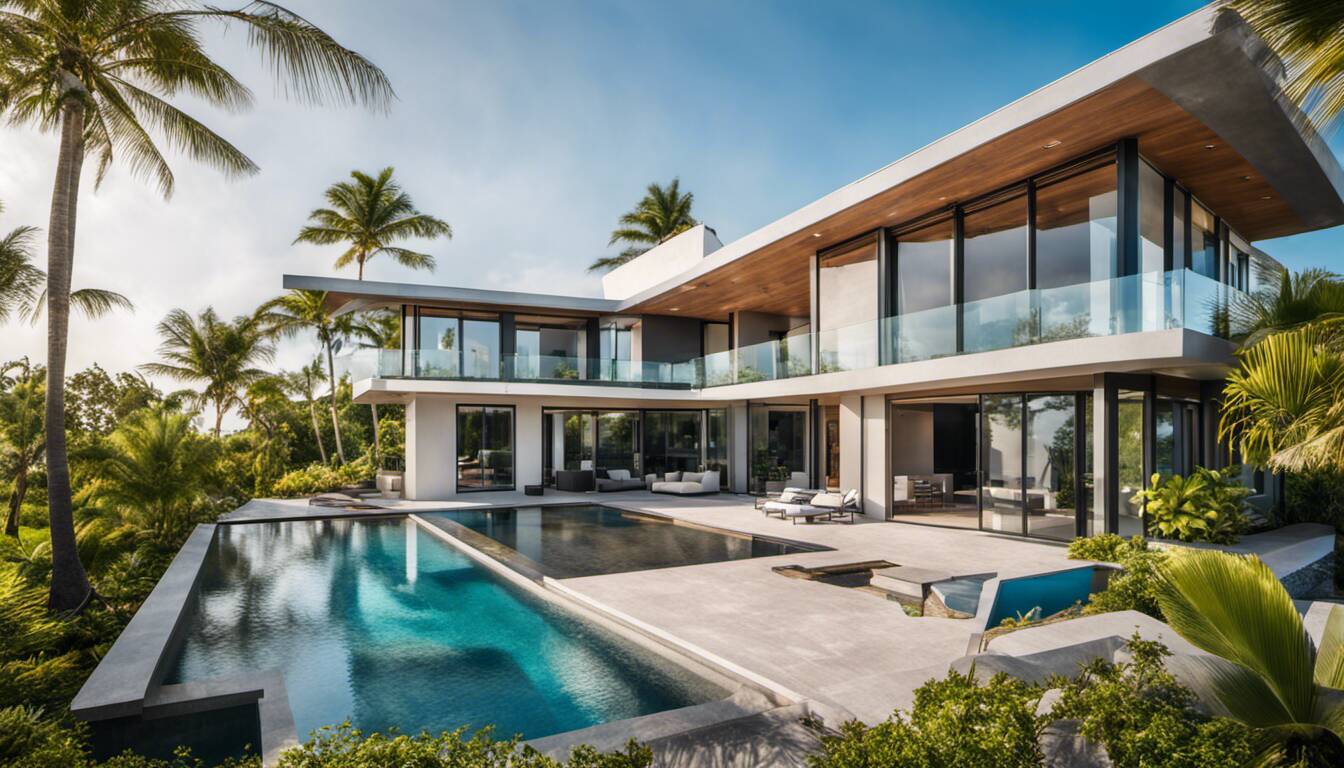
Bracing for the storm is no longer just an adage in coastal states; it’s a reality of life. As weather patterns become increasingly unpredictable and storms more intense, the need for hurricane-resistant home construction is mounting at an unprecedented pace. This blog post delves into the critical aspects of making your home a fortress against hurricanes — through intelligent design, resilient building materials, and advanced safety mechanisms. It’s not just about safeguarding your property; it’s about protecting lives and ensuring peace of mind when the storm hits. Shedding light on each detail, we journey towards creating homes that are not only built to last but also to endure even Mother Nature’s toughest tests.
When constructing hurricane-resistant homes in coastal states, it is crucial to incorporate design elements that can withstand high wind loads and lateral bracing. These include using hurricane ties at all roof connections, correct orientation of sheathing with right breaks in layout, and consulting with a structural engineer for proper design. Additionally, choosing building materials such as poured concrete for roofs, walls, and floors, avoiding vinyl or aluminum siding, and considering steel frame structures sheathed with structural insulated panels can enhance the resilience of the home against hurricanes. Researching fortified home certifications like the gold level certification and exploring alternatives to traditional rebar, such as fiberglass rebar, can further enhance durability. It is recommended to consult organizations like Fortified Home that offer standards and assessors to help design hurricane-resistant homes.

Understanding Hurricane-Resistant Home Construction
Living in coastal states often presents the risk of hurricanes, which can cause significant damage to homes and properties. To mitigate this risk, hurricane-resistant home construction has emerged as a critical focus for homeowners and builders alike. So, what exactly does it mean to construct a hurricane-resistant home?
In its essence, hurricane-resistant home construction refers to the design and building practices aimed at reducing the damage caused by hurricanes. It involves incorporating specific features and materials that can withstand the high winds, flying debris, and potential flooding that accompany these powerful storms.
Understanding hurricanes themselves is crucial in comprehending the necessity for such construction. Hurricanes are tropical cyclones characterized by strong winds exceeding 74 mph (119 km/h). The most destructive elements of hurricanes are their powerful winds and storm surges, which can cause structural damage and flooding. Therefore, constructing homes that can withstand the force of these winds and protect against water intrusion is essential.
The rising frequency and intensity of hurricanes in recent years have prompted increased focus on constructing homes that are resilient in the face of such fierce weather events. By implementing specialized design elements and utilizing suitable building materials, homeowners can significantly reduce the risk of costly damage to their properties.
Now that we have a foundational understanding of hurricane-resistant home construction, let’s delve into some crucial design elements that contribute to creating a resilient and safe living space.
Crucial Design Elements of Hurricane-Resistant Homes
When it comes to designing hurricane-resistant homes, several key elements must be considered to enhance their strength and ability to withstand hurricane forces. These elements include:
- Strong Foundations: Ensuring a sturdy foundation is crucial for withstanding strong winds and potential flooding associated with hurricanes. Elevating structures above FEMA floodplain levels can help mitigate flooding risks.
- Impact-Resistant Windows and Doors: Installing impact-resistant windows and doors is vital in protecting against wind-borne debris that can cause significant damage during a hurricane. These specially designed windows and doors are constructed with strong materials and reinforced glass to withstand high-velocity projectiles.
- Fortified Roofing: The shape of the roof and the choice of roofing materials play a crucial role in a home’s ability to withstand hurricane-force winds. Roofs with steep slopes and durable materials such as reinforced concrete, steel, or high-quality wood offer greater resistance to wind uplift.
- Hurricane-Resistant Building Materials: Utilizing building materials specifically designed for hurricane resistance can significantly enhance a home’s structural integrity. These materials are tested to withstand high winds and impact from debris, making them more resilient during hurricane events.
- Proper Sealing and Waterproofing: Ensuring effective sealing and waterproofing measures in critical areas such as roofs, windows, doors, and foundation can prevent water infiltration, which can lead to costly damage and mold growth.
- Effective Drainage Systems: A well-designed drainage system is essential in directing stormwater away from the home to protect against flood damage. Properly installed gutters, downspouts, and grading can help divert water away from vulnerable areas.
- Landscaping for Windbreaks: Strategic landscaping with windbreaks in the form of trees, bushes, or hedges can help reduce wind speed near the home, providing an additional layer of protection against powerful gusts.
- Incorporating Safe Rooms: Including a safe room that meets FEMA criteria within the design of the home provides residents with a dedicated space for seeking shelter during extreme weather events. Safe rooms are reinforced structures designed to offer near-absolute protection against hurricanes’ destructive forces.
By integrating these crucial design elements into their homes’ construction plans, homeowners can greatly increase their properties’ resilience in the face of hurricanes.
Wallboard and Roofing Materials
When it comes to hurricane-resistant home construction in coastal states, the choice of wallboard and roofing materials plays a significant role. These materials are essential for protecting your home from the strong winds, heavy rain, and flying debris that hurricanes can unleash.
One popular option for wallboard in hurricane-prone areas is cement board or fiber cement panels. This material is highly durable and resistant to moisture, mold, and pests. It offers excellent wind resistance and can withstand impact from flying debris during a storm. Fiber cement panels are typically installed as a sheathing material beneath the exterior finish of the home, providing an extra layer of protection.
Another option for wallboard is insulated concrete forms (ICFs). ICFs consist of two layers of rigid foam insulation with reinforced concrete poured between them. This construction method creates a solid, monolithic structure that is not only highly resistant to hurricanes but also provides excellent insulation and energy efficiency benefits.
When it comes to roofing materials, metal roofs are a popular choice for hurricane-resistant homes. Metal roofs are incredibly durable and can withstand high winds and impacts from debris. They have a long lifespan and require minimal maintenance. Additionally, metal roofs offer fire resistance, making them an even more attractive option for homeowners in coastal areas prone to wildfires.
Let’s consider an example to illustrate the importance of choosing the right wallboard and roofing materials. In 2004, Category 3 Hurricane Charley struck Florida’s Gulf Coast with devastating force. Many homes with traditional asphalt shingle roofs suffered extensive damage, while those with metal roofs largely remained intact. This real-life example demonstrates how the right roofing material can make all the difference during a hurricane.
By using sturdy wallboard such as cement board or insulated concrete forms along with robust roofing materials like metal roofs, you can significantly increase the chances of your home surviving a hurricane relatively unscathed.
Now that we’ve explored wallboard and roofing materials, let’s shift our focus to another crucial aspect of hurricane-resistant home construction: windows, doors, and a moisture-resistant foundation.
Windows, Doors, and Moisture-Resistant Foundation
Strong winds during a hurricane can exert immense pressure on windows and doors, making them vulnerable points in your home’s defense against the elements. To fortify these areas, impact-resistant windows and doors are highly recommended. These specialized windows and doors are designed with laminated or tempered glass combined with reinforced frames to withstand high wind speeds and resist penetration by flying debris.
In addition to impact-resistant windows and doors, it is essential to ensure that the foundation of your coastal home is moisture-resistant. Moisture infiltration can weaken the structure of your home and make it susceptible to damage during hurricanes. One way to address this is by incorporating waterproofing techniques such as installing a moisture barrier beneath the foundation or using waterproof sealants on below-ground walls.
Let’s consider the case of John and Sarah, who recently built their dream home near the coast in Florida. They took extra precautions by investing in impact-resistant windows and doors with stronger frames and laminated glass. They also worked with their contractor to implement waterproofing measures during the construction process. When Hurricane Irma hit their area a year later, they were relieved to find that their home remained intact while some neighboring houses suffered significant damage due to compromised windows and water infiltration into their foundations.
By proactively investing in impact-resistant windows, fortified doors, and moisture-resistant foundation measures, you’ll enhance the overall resilience of your coastal home against hurricane forces.
Now that we’ve discussed wallboard, roofing materials, windows, doors, and foundations for hurricane-resistant homes, let’s move on to explore other crucial aspects of such construction methods.
Materials Used in Durable Coastal Homes
Building a durable and hurricane-resistant home in coastal areas requires careful consideration of the materials used. Certain building materials offer enhanced durability, resistance to extreme weather conditions, and protection against potential damage caused by hurricanes.
Concrete is often hailed as one of the most durable building materials for waterfront homes. It is resistant to mold and fire, making it an excellent choice for coastal areas prone to heavy rains and storms. Additionally, concrete structures are energy-efficient, helping homeowners reduce their energy costs while ensuring a strong and secure home.
Steel is another popular choice for coastal homes due to its strength and rust resistance. Steel structures provide a secure framework that can withstand the powerful winds often associated with hurricanes. Moreover, steel is fire-resistant, adding an extra layer of safety to coastal properties.
Brick has long been recognized as a classic and reliable building material. Its inherent qualities make it resistant to fire and pests, providing homeowners with peace of mind in hurricane-prone regions. Furthermore, brick construction offers insulation benefits, helping maintain comfortable indoor temperatures throughout the year.
Fiber Cement is a composite material that has gained popularity in recent years due to its durability and resistance to water, pests, and fire. Its composition includes cement, sand, and cellulose fibers, providing excellent insulation capabilities that can help reduce energy costs for coastal homeowners.
Stone is a natural material known for its exceptional durability and resistance to water and weather. Stone construction provides a solid foundation against hurricanes and can withstand strong winds. Additionally, stone structures are highly resistant to pests and fire, offering long-term protection for coastal properties.
Pressure-treated wood is a cost-effective option widely used in waterfront homes. It is treated with chemicals that make it resistant to water and insects, ensuring its longevity even in high-moisture environments. Pressure-treated wood also adds a rustic aesthetic appeal to coastal homes; however, it’s crucial to source it from reputable suppliers to ensure quality and durability.
Composite decking is often chosen for outdoor spaces in coastal homes. This low-maintenance material is resistant to water, weathering, and the effects of UV rays. Composite decking provides a durable and safe surface for outdoor activities, making it an excellent choice for decks, patios, and other exterior areas.
When constructing a hurricane-resistant coastal home, compliance with critical area restrictions and impervious surface calculations is crucial. These considerations help ensure that the building process adheres to local regulations and safeguards against potential environmental impacts.
Now that we have explored the materials used in durable coastal homes, let’s delve into the performance of these materials when faced with the destructive forces of hurricanes.
Performance of Different Materials in Hurricanes
The performance of building materials during hurricanes is a critical aspect to consider when constructing coastal homes. The ability of these materials to withstand strong winds, flying debris, and water intrusion can significantly impact the integrity and safety of a structure.
Concrete has been proven to be highly resilient during hurricanes. Its solid nature makes it capable of resisting wind forces that often accompany these powerful storms. Additionally, concrete structures provide excellent protection against water intrusion when properly designed and constructed.
Steel’s strength and durability make it a top performer in hurricane-prone areas. Steel frames can withstand extreme wind speeds and flying debris, providing homeowners with a secure and reliable structure during storms. The fire-resistant properties of steel also add an extra layer of safety in case of fires caused by storm-related events.
Brick construction has demonstrated good performance in hurricanes due to its ability to resist wind pressure. The interconnectedness of brick units contributes to its overall stability during strong wind events. However, it is essential to ensure proper installation techniques are followed to maximize its resistance to water infiltration.
Fiber Cement offers excellent hurricane resistance due to its composite composition. It can withstand high winds and impact from debris common during hurricanes. Moreover, fiber cement’s resistance to water intrusion adds an additional layer of protection against the heavy rainfall associated with these storms.
Stone, being a natural and durable material, has long been valued for its ability to withstand extreme weather conditions. Its high density and solid structure make it highly resistant to wind pressure and flying debris during hurricanes. Stone’s inherent resistance to water intrusion further enhances its performance in coastal areas.
Pressure-treated wood can provide sufficient performance against hurricanes when used appropriately. Its resistance to water and insects is beneficial in high-moisture environments, but regular maintenance is necessary to ensure ongoing durability and structural integrity.
Composite decking, when properly installed and maintained, can withstand the harsh elements of hurricanes. Its resistance to water and weathering ensures that outdoor spaces remain functional even after intense storm events.
Considering the performance of different materials in hurricanes is like hand-picking a team of defenders for your coastal home. Each material brings unique qualities that contribute to the overall resilience and safety of your property during hurricane events.
Economic and Safety Benefits for Coastal States
Coastal states face unique challenges when it comes to home construction due to the increased risk of hurricanes and other severe weather events. However, embracing hurricane-resistant construction techniques and materials can bring about significant economic and safety benefits for these states.
One of the primary economic benefits is the reduced property damage in the event of a hurricane. Traditional homes are more susceptible to wind, flying debris, and flooding, resulting in costly repairs or even complete loss of the structure. By implementing hurricane-resistant design and construction practices, such as reinforced roofing materials, impact-resistant windows, and secure anchoring systems, homes can better withstand the destructive forces of hurricanes. As a result, property damage is minimized, reducing the financial burden on both homeowners and insurance companies.
In addition to mitigating property damage, hurricane-resistant construction also prioritizes resident safety. These resilient homes are designed to withstand high winds, reducing the risk of structural collapse during a hurricane. Reinforced walls and roof systems provide an extra layer of protection against powerful winds and flying debris, creating a safe haven for residents within their own homes. Storm shelters or safe rooms can be incorporated into the design to offer additional protection during extreme weather events.
For instance, imagine a coastal community that had embraced hurricane-resistant construction methods. When a powerful hurricane made landfall in that region, many traditional homes suffered extensive damage or were completely destroyed. However, those constructed using resilient design principles remained standing with minor damages. The residents who sought refuge in their storm shelters felt safe throughout the storm. In this scenario, not only are lives saved but also rebuilding costs are significantly reduced for both individuals and the community as a whole.
By investing in hurricane-resistant home construction, coastal states can experience long-term economic benefits beyond reducing property damage. Enhanced resilience can lead to lower insurance premiums for homeowners as insurance companies recognize the reduced risk associated with these homes. Additionally, resilient properties often have increased property value due to their high level of protection and desirability in areas prone to hurricanes.
Now that we’ve explored the economic and safety benefits associated with hurricane-resistant home construction, let’s delve into how these practices directly contribute to reduced property damage and increased resident safety.
Reduced Property Damage and Increased Resident Safety
Hurricanes can wreak havoc on coastal communities, causing significant property damage and posing grave risks to residents. However, employing hurricane-resistant construction techniques can effectively minimize property damage while ensuring the safety of individuals residing in these homes.
One crucial aspect of reducing property damage is the use of impact-resistant materials for windows, doors, and roofing systems. These materials are specifically designed to withstand the impact of wind-borne debris during a hurricane, mitigating the risk of shattered windows or compromised roofs. By fortifying these vulnerable areas, homeowners can significantly reduce water intrusion, minimizing interior damage from rain and flooding during heavy storms.
Furthermore, incorporating reinforced foundations, shear walls, and structural bracing into the design helps homes withstand the strong forces exerted by hurricanes. Strengthening the overall structure enhances its resilience against wind uplift and reduces the likelihood of catastrophic failure during extreme weather events. Improving insulation and utilizing flood-resistant materials also aid in protecting homes from flooding associated with storm surges.
By prioritizing reduced property damage through resilient construction methods, residents can enjoy peace of mind during hurricane threats. The knowledge that their homes are built to withstand nature’s fury provides a sense of security for individuals and families living in coastal areas. Moreover, communities as a whole benefit from reduced post-disaster recovery costs, allowing them to focus resources on rebuilding critical infrastructure instead.
Take the case of a coastal community that had implemented resilient construction practices. When a powerful hurricane struck their area, properties constructed with hurricane-resistant features suffered minimal damage compared to non-resilient homes nearby. The residents were able to stay in their homes without the fear of structural collapse or excessive property damage. This scenario showcases how prioritizing reduced property damage and increased resident safety through resilient construction can have a tangible impact on protecting lives and minimizing financial burdens.
By investing in hurricane-resistant home construction and incorporating these vital safety features, communities can build resilience, protect their properties, and safeguard their residents from the devastating impacts of hurricanes.
- Investing in hurricane-resistant construction techniques, such as impact-resistant materials, reinforced foundations, and structural bracing, can significantly minimize property damage and protect residents during hurricanes. These resilient features not only reduce the risk of shattered windows, compromised roofs, and water intrusion but also enhance the overall structure’s resilience against wind uplift and catastrophic failure. In addition to providing peace of mind for homeowners, prioritizing reduced property damage through resilient construction methods can lower post-disaster recovery costs and allow communities to focus resources on rebuilding critical infrastructure. By incorporating these vital safety features, communities can build resilience, protect their properties, and safeguard their residents from the devastating impacts of hurricanes.