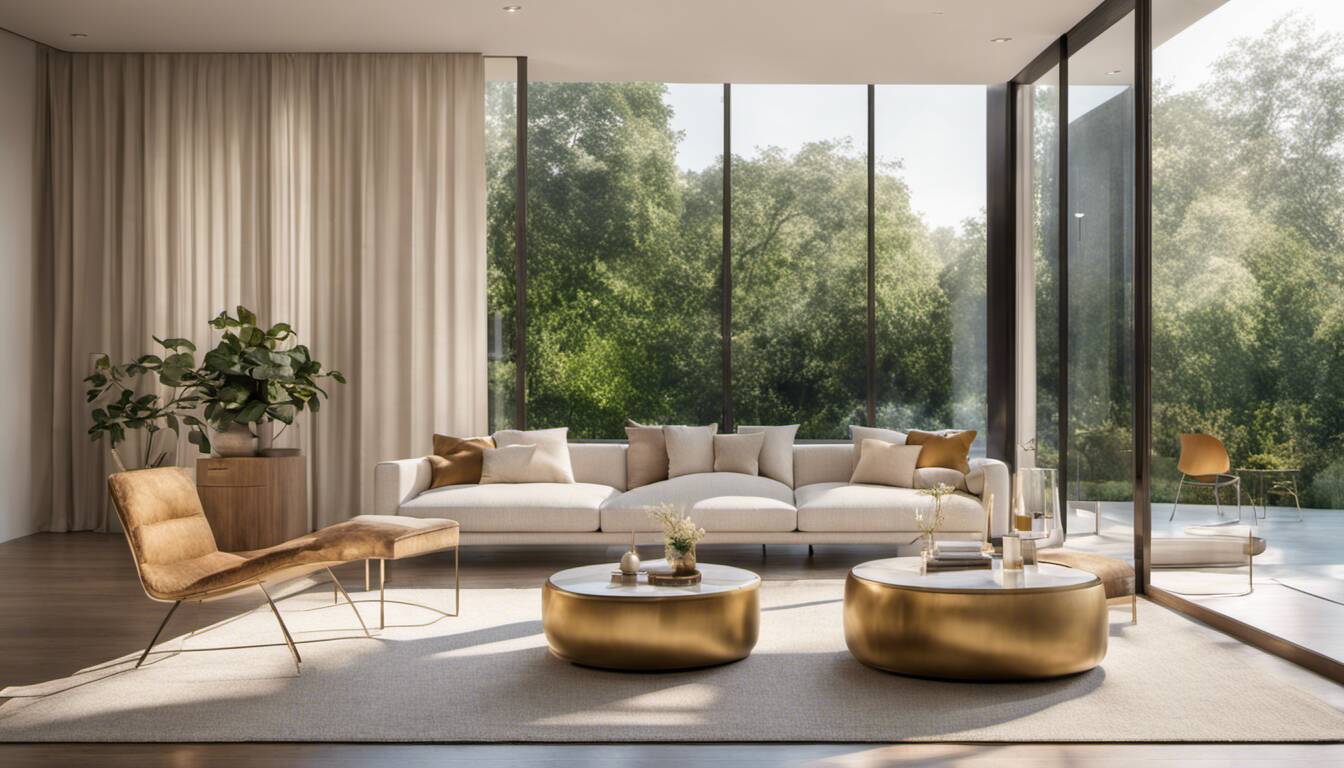
Let there be light! Imagine stepping into a home bathed in warm, vibrant sunlight, where natural light bounces off to every corner, illuminating your space. This isn’t your imagination—it’s entirely possible when you understand how to maximize the natural light within your sunny home. In this blog post, we’re going to reveal game-changing strategies that empower you to effortlessly harness the sun’s radiance. Be prepared to unveil the enduring charm of natural lighting in your living spaces — a simple upgrade with spectacular results. Your journey towards a brighter and livelier home starts here. Buckle up!
Our article on “Maximizing Natural Light: Design Tips for Homes in Sunny” provides expert advice and practical tips for maximizing natural light in your home. From using light colors on walls to strategically placing mirrors and reflective accessories, we offer a range of design techniques to enhance natural light. Additionally, recommendations such as trimming trees that may block light and installing large windows or bi-folding doors are included to create a brighter and more spacious atmosphere.
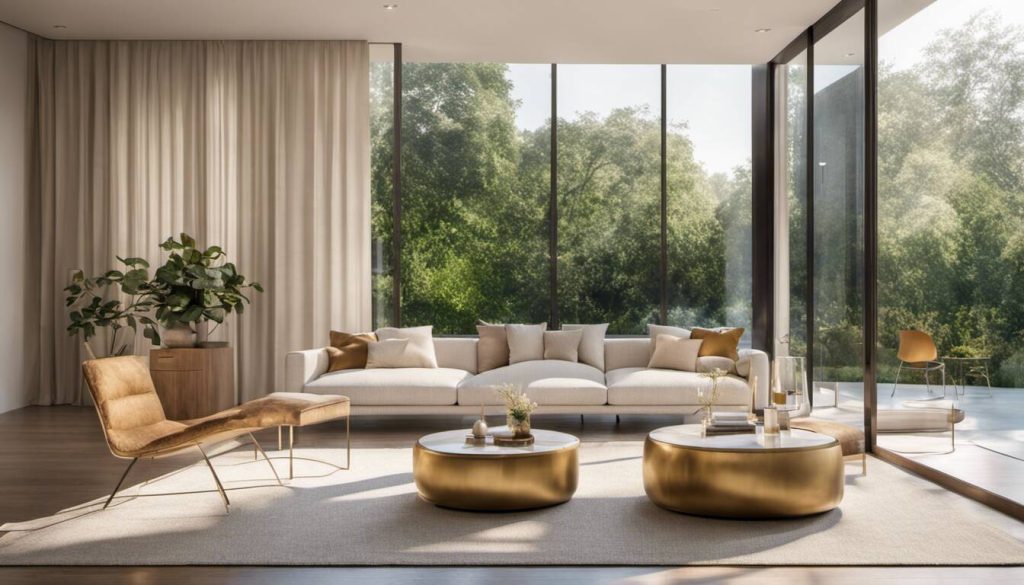
Maximizing Natural Light Through Windows
Natural light has a profound impact on our overall well-being and the ambiance of our homes. Sunlight streaming into our living spaces can make a room feel more inviting, brighter, and even more spacious. So, how can we maximize the natural light that enters through our windows? Here are some effective strategies to consider.
Firstly, one crucial aspect to keep in mind is the color scheme. Using light colors on the walls can help reflect sunlight throughout the room, creating a brighter atmosphere. While brilliant white can sometimes feel cold, opting for lighter shades of neutral colors can strike a balance between warmth and brightness. The idea is to harness the natural light and let it bounce off surfaces to illuminate the space.
Additionally, the choice of flooring material can also influence the amount of natural light in a room. Surfaces such as wooden, laminate, ceramic, or stone floors with a polished finish have a reflective quality that helps bounce light around the space. If you prefer carpets, sticking to light neutral colors will prevent them from absorbing too much light.
To further enhance natural light penetration, strategic placement of mirrors and reflective accessories can work wonders. Positioning mirrors opposite windows allows them to reflect incoming sunlight and brighten up your space significantly. Additionally, incorporating other reflective objects like metallic accents or glass elements in furniture or decor pieces can amplify the effect.
It’s important not to neglect external factors that may hinder natural light from entering your home. Trimming trees or bushes outside that may block sunlight from reaching your windows is crucial in maximizing natural light intake. Regularly cleaning windows thoroughly from both inside and outside can remove any dirt or grime that might obstruct sunlight from filtering in.
Rearranging furniture is another key strategy for optimizing natural light flow. Placing bulky pieces away from windows and opting for streamlined furniture allows for an unobstructed path for sunlight to fill the room. Pay attention to the layout and ensure that light is free to travel throughout the space without any unnecessary barriers.
Installing large windows and bi-folding doors can be an effective way to maximize natural light infiltration. These expansive openings not only flood the room with sunlight but also create a seamless connection between indoor and outdoor spaces, blurring the boundaries and enhancing the overall brightness.
Lastly, using artificial light strategically in areas where natural light doesn’t reach can help maintain a well-lit atmosphere throughout the day. Installing dimmer switches allows you to control the intensity of artificial light and achieve a more natural lighting experience even when sunlight is limited.
Imagine waking up in a bright and airy bedroom flooded with beautiful morning sunshine. As you enjoy your cup of coffee, you bask in the rejuvenating glow of sunlight, starting your day on a positive note. This scenario demonstrates how optimizing natural light through windows can transform not just the physical space but also our mood and well-being.
Now that we’ve explored ways to maximize natural light through windows, let’s delve into another vital aspect — choosing window types that enhance light absorption and distribution.
- Maximizing natural light through windows is essential for creating a brighter and more inviting living space. Strategies such as using light colors on walls, reflective flooring materials, and strategic placement of mirrors and reflective accessories can all enhance the amount of sunlight that enters a room. Additionally, trimming external vegetation, rearranging furniture, and installing large windows or bi-folding doors can also help optimize natural light infiltration. Lastly, using artificial light strategically in areas with limited natural light can maintain a well-lit atmosphere throughout the day. By harnessing natural light, we can transform both our physical space and our mood and well-being.
Choosing Window Types for Enhanced Light
When it comes to maximizing natural light in your home, choosing the right window types can make all the difference. Certain window styles are known for their ability to enhance light absorption and distribution within a space. Let’s explore some popular options that can effectively brighten up your home.
One such window type is the bay window. Bay windows extend outward from the home, creating a significant amount of surface area for sunlight to enter. Their wide and angled design allows sunlight to penetrate from various directions, providing ample natural light during different times of the day.
Another option is skylights. Skylights are windows installed on the roof or ceiling, allowing sunlight to pour in from above. They are particularly beneficial for rooms where traditional windows might not be feasible or rooms that need an extra boost of natural light, such as bathrooms or dark hallways.
Picture yourself in a cozy reading nook basking in the soft glow of sunlight pouring in from a large picture window. The expansive glass surface of a picture window provides unobstructed views and allows for an abundance of natural light to bathe the room.
If you’re looking for versatility and airflow along with ample natural light, consider casement windows. These windows are hinged on the side and open outward with a crank mechanism, allowing for maximum ventilation while also enabling sunlight to flood into your space.
Now that we have explored various window types that enhance natural light, let’s move on to the next section where we discuss strategic window placement strategies.
- A study from Northwestern Medicine and the University of Illinois at Urbana-Champaign found that workers in offices with windows received 173% more white light exposure during work hours and slept an average of 46 minutes more per night than those who didn’t have exposure to natural light. The same principle could be applied to homes where maximizing natural light can support better sleep.
- According to a survey by Rightmove, nearly half (42%) of 2,000 UK adults surveyed rated natural light as the “must-have” feature for a family home.
- Research from Loughborough University and BRE revealed that people staying in well-lit spaces with natural elements, like greenery and sunlight, report a 15% higher level of well-being than people in artificial environments.
Window Placement Strategy
When it comes to maximizing natural light in your home, one of the most crucial aspects to consider is the strategic placement of windows. Window placement can significantly impact the amount of sunlight that enters a room and how it illuminates the space. The goal is to allow as much sunlight to filter in throughout the day, creating a bright and inviting atmosphere.
Ideally, windows should be positioned on walls that receive direct sunlight for a significant portion of the day. South-facing windows tend to receive the most sunlight throughout the year, followed by west-facing windows in the afternoon. East-facing windows capture gentle morning light, while north-facing windows receive the least direct sunlight.
For instance, if you have a home office where you spend most of your day working, positioning your desk near a south or west-facing window can flood the space with natural light, helping to improve productivity and mood.
In addition to considering the cardinal directions, it’s crucial to take into account any external obstructions that might cast shadows or block sunlight from reaching your windows. Trees, tall buildings, or even adjacent structures can create shade and limit the amount of light that enters your home. It’s like placing a plant in an area where it doesn’t receive enough sunlight for proper growth; you need to choose a location that grants ample exposure.
If you’re building a new home or undertaking substantial renovations, working with an architect or design professional who specializes in maximizing natural light can be beneficial. They can help determine optimal window placement based on factors such as your geographical location and local climate conditions.
Now that we’ve explored window placement strategies, let’s dive into interior adjustments you can make to enhance sunlight exposure further.
Interior Adjustments for Better Sunlight Exposure
Once you’ve optimized window placement, there are several interior adjustments you can make to fully leverage incoming sunlight and create a brighter living space.
Color Palette: The colors you choose for your walls and furnishings play an essential role in reflecting or absorbing natural light. Lighter shades, such as off-whites, pastels, and soft neutrals, tend to reflect more light, making a room feel brighter and more spacious. Avoid using dark or heavy colors that can absorb light and create a darker ambiance.
Mirrors and Reflective Surfaces: Mirrors are excellent tools for maximizing natural light in a room. By strategically placing mirrors across from windows or other sources of light, you can bounce sunlight around the space and create a sense of brightness. Additionally, incorporating furniture with mirrored accents or glass panels can have a similar effect by reflecting and amplifying incoming light.
Furniture Placement: Consider arranging your furniture in a way that avoids blocking natural light from reaching the rest of the room. Opt for streamlined pieces that sit lower to the ground to maintain open sightlines and allow sunlight to penetrate further into the space.
Window Treatments: Choose blinds or curtains that allow natural light to filter through while still providing privacy and shade when needed. Perfect fit blinds that hook directly onto the window frame can be an excellent option as they don’t obstruct the path of sunlight or create unnecessary shadows.
By implementing these interior adjustments, you can harness the full potential of natural light in your home, creating a bright and inviting atmosphere that promotes well-being and boosts your mood.
The Role of Reflectors, Mirrors, and Color Palettes
When it comes to maximizing natural light in our homes, we can harness the power of reflectors, mirrors, and thoughtful color palettes to create a brighter and more spacious environment. These elements work together to enhance the flow of sunlight throughout our living spaces.
Imagine walking into a room with large windows that flood the space with beautiful natural light. To amplify this effect, you can strategically place reflectors or reflective accessories opposite these windows. The mirrors or reflective surfaces will bounce the sunlight back into the room, creating a sense of depth and amplifying the brightness. This technique is particularly effective in rooms where there might be obstacles or structures blocking direct sunlight.
Additionally, choosing light colors for your walls can make a significant difference in how light is reflected in a room. While opting for brilliant white may seem like an obvious choice, it can sometimes feel cold and stark. Instead, consider using lighter shades of neutral colors to create warmth while still reflecting sunlight effectively. Light-colored furniture and rugs can complement this approach by further maximizing the overall brightness of the space.
Using mirrors, reflectors, and carefully selected color palettes is not only practical but also an art form in itself. By strategically placing these elements throughout your home, you can make the most of the available natural light and transform your space into a warm and inviting sanctuary.
Inspiring Architectural Techniques for More Light
When we think about inspiring architectural techniques for maximizing natural light, various innovative designs come to mind. Architects have been pushing boundaries and finding creative ways to invite more sunlight into our living spaces.
One popular architectural feature is the incorporation of sunrooms or conservatories. These glass-enclosed spaces are specifically designed to capture as much sunlight as possible throughout the day. They boast large windows or even skylights that allow unimpeded views of the outdoors while flooding the room with natural light. Sunrooms provide the perfect spot to enjoy the warmth of the sun, surrounded by an abundance of plants or a cozy seating area.
Another architectural technique that promotes greater light penetration is open floor plans. By removing walls and barriers between different living spaces, natural light can freely flow from one area to another. This creates a sense of continuity, making smaller rooms feel more expansive and connected. Open floor plans also foster collaboration and interaction between family members, as well as maintaining a bright and airy atmosphere throughout the home.
Lastly, incorporating large windows, sliding glass doors, or even skylights into architectural designs can have a remarkable impact on light levels indoors. These features not only serve as portals for sunlight to enter but also offer breathtaking views of the surrounding environment. The beauty of these design elements lies in their ability to blur the boundaries between indoor and outdoor spaces while infusing our homes with abundant natural light.
Sunrooms, Patios, and other Light-Friendly Designs
There’s nothing quite like basking in the warm glow of natural light, and creating light-friendly spaces in your home can greatly enhance your overall well-being. One popular option for maximizing natural light is the addition of a sunroom or patio. These dedicated spaces act as a bridge between indoor and outdoor areas, allowing sunlight to flood in from multiple angles.
Sunrooms are typically enclosed with large windows or glass panels, offering uninterrupted views of the surrounding landscape while providing ample sunlight. They serve as versatile spaces that can be used for relaxation, entertainment, or even as an indoor garden. By strategically positioning furniture and decor in sunrooms, you can make the most of the abundant natural light throughout the day.
Imagine starting your day with a cup of coffee in a sunroom bathed in warm morning sunlight. The gentle rays illuminate the space, giving it an inviting and rejuvenating atmosphere. You may choose to fill this room with comfortable seating, perhaps a cozy armchair or a hammock where you can unwind and indulge in your favorite book. Adding some greenery like potted plants or hanging baskets will further enhance the connection to nature.
In addition to sunrooms and patios, there are various other design elements that you can incorporate to maximize natural light in your home. Skylights, for example, provide an excellent source of overhead illumination. Strategically placed windows on different walls allow sunlight to enter from multiple directions, ensuring that every corner is brightened by its presence.
| Feature | Benefits |
|---|---|
| Skylights | Provides overhead illumination |
| Well-positioned windows | Allows sunlight to enter from multiple angles |
| Light-colored materials | Reflects natural light, making rooms appear brighter |
| Mirrors and reflective surfaces | Bounces light around the space, creating a sense of openness |
By opting for light-colored materials and finishes, such as light-colored walls, flooring, and furniture, you can amplify the effect of natural light. Lighter hues reflect sunlight rather than absorbing it, giving rooms a brighter and more spacious feel.
Adding mirrors and reflective surfaces strategically throughout your home is another effective way to maximize natural light. Positioning mirrors opposite windows allows them to bounce light around the room, increasing its overall brightness. You can even incorporate decorative accents like glass vases or mirrored furniture to further enhance the reflective qualities.
While maximizing natural light is desirable, it’s essential to strike a balance and avoid excessive glare that can be detrimental to both comfort and functionality. Let’s explore how you can successfully avoid glare while still maximizing the benefits of natural light in your home.
Successfully Avoiding Glare While Maximizing Light
While natural light brings an array of positive benefits to any space, it can also create challenges when it comes to glare. Glare occurs when harsh or intense light reflects off surfaces and causes discomfort or impairs visibility. To ensure a well-lit yet glare-free environment, consider implementing the following strategies:
Window treatments: Opt for blinds or curtains that filter the incoming sunlight rather than completely blocking it. Sheer fabrics or materials with adjustable slats allow you to control the amount of light entering the room while diffusing it to reduce glare.
Avoid glossy finishes: When selecting furniture or decor items, consider matte finishes instead of glossy ones. Glossy surfaces tend to reflect more light and can contribute to heightened glare. Opt for materials like wood or textured surfaces that absorb some of the light.
Strategic placement of furniture: Arrange your furniture in ways that minimize directly facing windows where glare is most likely to occur. Position seating areas at angles or use rugs and floor coverings to delineate spaces away from direct sunlight.
Utilize shading devices: Install retractable awnings, exterior shades, or interior blinds that can be adjusted to block out direct sunlight during peak glare hours. These additional layers of shading help manage the intensity of light entering your home.
Remember, achieving a balance between natural light and minimizing glare requires experimentation and adjustments. It’s all about finding the optimal configuration that enhances your space while keeping comfort in mind.